Canva Frame Envelope Template: Elevate Your Visuals Instantly
If you’ve ever stared at a blank Canva canvas, wondering how to make your photos or designs look polished and professional, you’re not alone. Many of us—whether we’re designing a social media post, a product mockup, or a client presentation—struggle with making visuals feel cohesive and styled. That’s where a thoughtfully designed Canva Frame Envelope Template can change the game. It’s not just a decorative border; it’s a ready-made structure that gives your content context, personality, and a finished look without the guesswork.
What Exactly Is a Canva Frame Envelope Template?
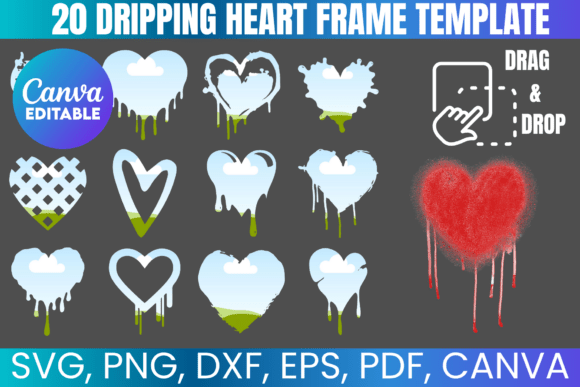
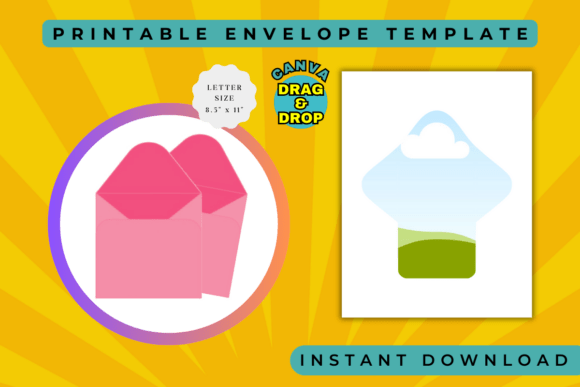
Think of it as a digital design layout that comes with pre-set frames, borders, and placeholders. Instead of just dropping a photo onto a blank page, you’re placing your image into a styled container—like an envelope that “holds” your visual in a visually appealing way. These templates are created to showcase photos, artwork, quotes, or promotional graphics with an added layer of design intention.
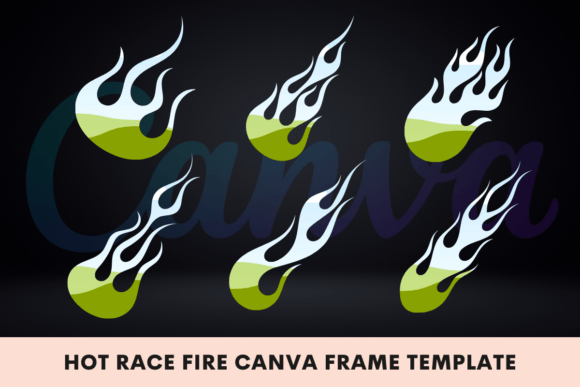
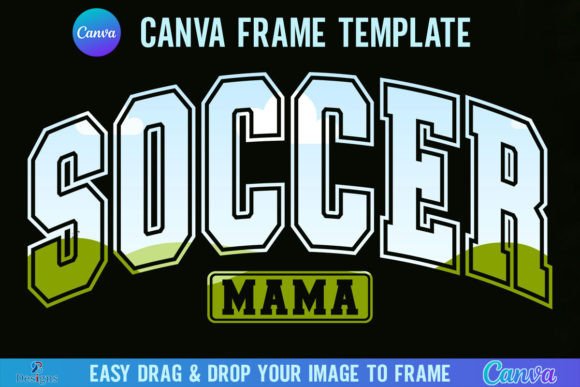
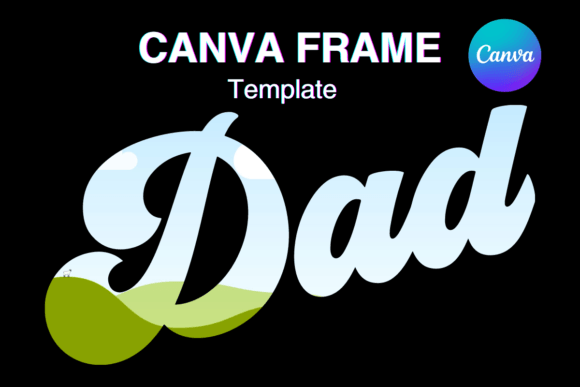
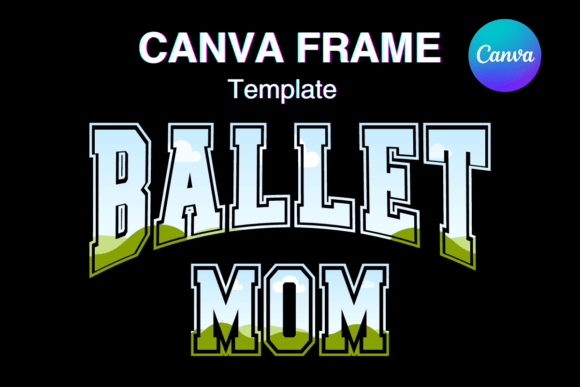
The visual characteristics can vary widely. You might find templates with clean, geometric frames that feel modern and minimalist. Others feature ornate borders with vintage flair, playful illustrations, or textured edges that add depth and interest. Some are designed to mimic physical elements—think torn paper, polaroid edges, or letterpress-style embossing—while others are purely digital and abstract. The common thread is that they all provide a pre-designed starting point that saves you time and elevates your output.
Where These Templates Shine: Practical Applications
The real value of a Canva Frame Envelope Template lies in its versatility. It’s not limited to one type of project or one style of creator. Here’s where I’ve seen them make the biggest impact:
- Social Media Graphics: If you’re running a brand’s Instagram or Pinterest account, consistency is key. Using a set of frame templates helps maintain a cohesive visual language across posts. You can create a series of quote graphics, promotional announcements, or behind-the-scenes snapshots that all feel part of the same family.
- Small Business Marketing: For entrepreneurs and small business owners, these templates are a lifesaver. You can quickly mock up product photos, create sale announcements, or design digital flyers without hiring a designer. The envelope-style framing adds a professional touch that builds credibility.
- Content Creation & Blogging: Bloggers and content creators often need featured images, Pinterest pins, or newsletter headers. A frame template ensures your visuals stand out in a crowded feed while aligning with your brand’s aesthetic.
- Client Projects & Presentations: Designers and marketers can use these templates to speed up their workflow. Instead of building every layout from scratch, you can adapt a frame template to fit a client’s brand guidelines, ensuring consistency across multiple deliverables.
- Personal Projects & Crafts: Hobbyists and crafters love using these for digital scrapbooking, personalized invitations, or printable art. The ease of drag-and-drop editing means you don’t need advanced skills to create something beautiful.
How Frame Templates Influence Design Perception
A well-chosen frame does more than just contain an image—it shapes how that image is perceived. In design terms, frames help establish visual hierarchy. They guide the viewer’s eye, create separation between elements, and add context. For example, a simple, thin border might feel elegant and understated, perfect for a luxury brand or editorial layout. A bold, colorful frame might convey energy and playfulness, ideal for a children’s product or a vibrant lifestyle brand.
When used consistently, frame templates also contribute to brand recognition. If your audience sees a particular style of framing across your social media, website, and marketing materials, they’ll start to associate that visual language with your brand. It becomes a subtle but powerful part of your identity—much like a consistent color palette or a signature font.
From a practical standpoint, these templates also improve readability and engagement. By adding structure to your layouts, they prevent designs from feeling cluttered or overwhelming. A frame can help isolate a key message, highlight a product, or create a focal point that draws the viewer in.
Choosing the Right Template for Your Project
Not all frame templates are created equal, and choosing the right one depends on your project’s goals and your brand’s personality. Here’s a practical approach to selection:
- Define Your Aesthetic: Are you going for modern and minimal, vintage and rustic, or bold and graphic? Browse templates with that mood in mind. Look for visual characteristics—like line weight, texture, and color—that align with your existing brand assets.
- Evaluate Flexibility: A good template should be fully editable in Canva. Check if you can easily change colors, resize elements, and swap out placeholder images. The best templates are drag-and-drop ready, meaning you can customize them without frustration.
- Consider Scalability: If you’re creating graphics for multiple platforms—say, Instagram, Facebook, and your website—look for templates that come in various sizes or can be easily adapted. High-resolution files are essential if you plan to use them for print or large-format displays.
- Test Font Pairings: Many frame templates include text placeholders. If your project involves typography, think about how the template’s style will work with your chosen typeface. A decorative frame might pair well with a simple sans serif font, while a minimalist frame could complement a elegant serif or script font.
- Check Licensing: Since these are digital design assets, ensure the template’s license allows for your intended use—especially if you’re creating commercial projects. Most reputable templates include clear terms for personal and commercial use.
One thing I always recommend is to test before committing. Try out a template with your actual content—a real photo, your brand colors, your logo. See how it feels in context. Does it enhance your message or distract from it? Does it align with the professionalism you want to convey? Sometimes what looks great in a template preview doesn’t quite work with your specific assets, and that’s okay.
Final Thoughts: Design Like a Pro, Without the Pro Skills
The beauty of a Canva Frame Envelope Template is that it democratizes design. You don’t need years of training or expensive software to create visuals that look polished and intentional. These templates give you a structured starting point—one that’s been designed with visual principles in mind—so you can focus on your message and your audience.
Whether you’re a marketer building a campaign, a small business owner crafting your brand’s look, or a hobbyist creating something for fun, these frames offer a practical, efficient way to elevate your work. They’re not about replacing creativity; they’re about supporting it. By providing a ready-made foundation, they free you up to focus on the content that matters most.
So next time you’re faced with a blank canvas, consider starting with a frame. It might just be the missing piece that turns a good design into a great one.